7 Tips for Choosing the Right Wire Cable
Choosing the right cable is not a matter of picking the thickest option on the shelf. The load, movement, environment, and connection all matter. When comparing wire cable wire products, check the rated working load and construction, not just the diameter. A cable that looks substantial can still be unsuitable for repeated bending or outdoor exposure. Small details matter.
John A. Roebling, a pioneering engineer associated with early wire-rope development, is a useful historical reference for this subject. A concise editorial takeaway is, “Choose for the load, not the label.” This is a paraphrase, not a verified quotation from Roebling. The seven tips below focus on practical checks: cable material, strand construction, core type, flexibility, corrosion exposure, end fittings, and inspection needs. Start with the manufacturer’s specifications, then confirm that the cable suits the actual application. If the load is dynamic, ask how movement affects the rating. If the cable will face moisture or abrasion, examine its protective finish. No single specification tells the whole story. I would not assume that two cables with matching diameters perform alike; their construction may differ. These checks can narrow the choice, but critical installations deserve review by a qualified cable professional.
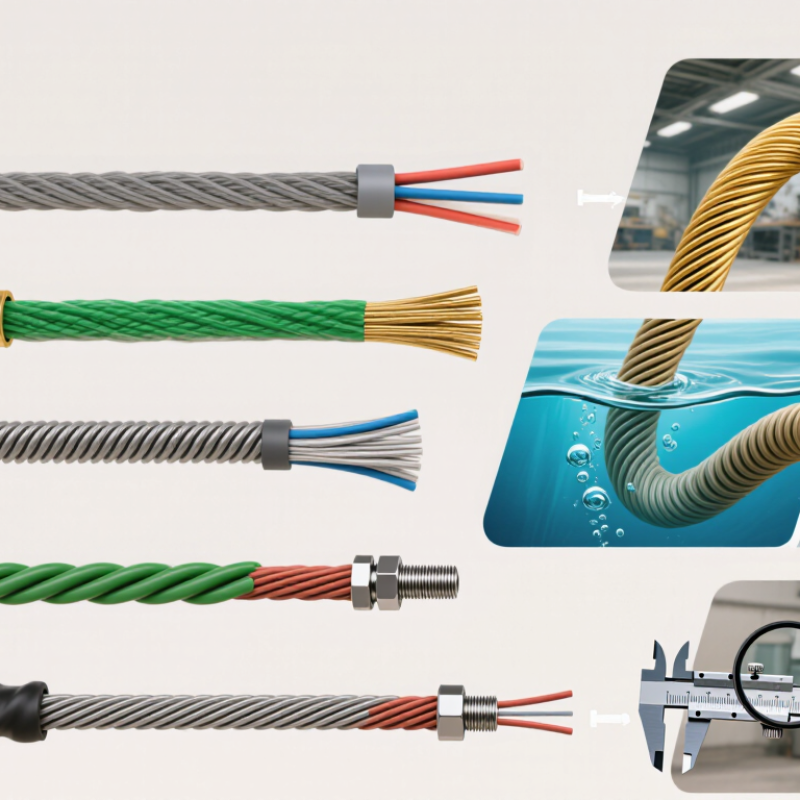
Identify the Cable’s Purpose and Operating Conditions
A wire cable should be chosen for the job it will actually do, not just the device it connects. A small sensor lead and a motor supply cable may look similar, yet face very different electrical loads. Note the circuit’s voltage, expected current, and whether the supply is AC or DC. Then check the cable’s conductor size and insulation rating against those conditions. When in doubt, verify the figures in the cable’s technical documentation rather than relying on appearance.
The surroundings matter just as much. A cable routed beside a warm motor needs insulation rated for the measured temperature, while an outdoor run may face sunlight, rain, and changing temperatures. In a workshop, oil, dust, or repeated contact with sharp edges can shorten service life. Cable movement counts, too. A lead that flexes each time a machine opens may need a construction designed for repeated bending. It is easy to overlook that detail.
Think about installation before buying. Measure the route, allow room for bends, and consider how the cable will be supported. A tight bend near a connector can stress the conductors, even when the cable’s electrical rating seems adequate. I used to focus mostly on current; that was an incomplete shortcut. Check applicable installation requirements, and ask a qualified professional when the conditions or ratings are unclear.
Choose the Conductor Material and Wire Gauge
The conductor material affects resistance, weight, flexibility, and connection requirements. Copper conducts electricity well and is commonly chosen where compact wiring and reliable terminations matter. Aluminum is lighter, which can help on longer runs, but it needs connectors rated for aluminum conductors. Material compatibility matters at every joint. A mismatched terminal can loosen or overheat.
Wire gauge also affects how much current a cable can carry and how much voltage is lost along its length. In the American Wire Gauge system, a lower number means a thicker conductor. Don’t choose a gauge by appearance alone. Allowable current depends on insulation temperature rating, ambient heat, installation method, and how many cables are bundled together. For a long run, calculate voltage drop as well. Small details change the answer.
Check the cable’s markings and use current ampacity tables for the specific installation. A wire that seems adequate on a short bench test may perform differently inside a warm wall or conduit. This is easy to underestimate. If the application involves substantial current, uncertain conditions, or fixed building wiring, have a qualified electrician verify the conductor and gauge. I’d also recheck the terminal specifications; it’s a detail that’s easy to miss.
7 Tips for Choosing the Right Wire Cable - Choose the Conductor Material and Wire Gauge
| Conductor material |
Wire gauge (AWG) |
Approx. area (mm²) |
Approx. resistance at 20°C (Ω/1,000 ft) |
Selection considerations |
| Copper |
14 AWG |
2.08 |
2.53 |
Small conductor size; check the applicable code, load, and installation conditions before selecting. |
| Copper |
12 AWG |
3.31 |
1.59 |
A common building-wire size; verify the required rating and permitted use for the circuit. |
| Copper |
10 AWG |
5.26 |
1.00 |
Lower resistance than smaller AWG sizes; consider run length and voltage drop as well as load. |
| Copper |
8 AWG |
8.37 |
0.628 |
A larger conductor for applications requiring lower resistance; confirm terminal and cable compatibility. |
| Copper |
6 AWG |
13.3 |
0.395 |
Thicker conductor with relatively low resistance; account for bending space and rated terminations. |
| Aluminum |
14 AWG |
2.08 |
4.14 |
Higher resistance than copper at the same AWG; use only where the conductor and connections are approved for aluminum. |
| Aluminum |
12 AWG |
3.31 |
2.60 |
Check equipment markings and connector ratings; aluminum connections require suitable installation practices. |
| Aluminum |
10 AWG |
5.26 |
1.64 |
Compare the required electrical rating, cable type, and termination compatibility rather than gauge alone. |
| Aluminum |
8 AWG |
8.37 |
1.03 |
May be considered where aluminum conductors are permitted; confirm sizing and connection requirements for the specific job. |
| Aluminum |
6 AWG |
13.3 |
0.647 |
A larger aluminum conductor; ensure all terminals, fittings, and installation methods are suitable for aluminum. |
Values are approximate conductor resistance at 20°C, based on nominal AWG dimensions and material resistivity; actual cable values can vary. A lower AWG number means a thicker conductor. Resistance is not an ampacity rating: final wire selection depends on load, insulation temperature rating, cable type, run length, installation conditions, local electrical code, and approved terminations.
Compare Insulation Types and Protective Jackets
Insulation and the outer jacket do different jobs. Insulation separates conductors electrically; the jacket shields the cable from its surroundings. PVC is common and economical, while XLPE handles higher operating temperatures in many power applications. EPR is flexible, which can help where cables move or bend. No material wins everywhere. Check the cable’s rated voltage, temperature, and installation conditions against the equipment specifications.
Tips: Match insulation to voltage and heat. Choose a jacket for moisture, oil, chemicals, or sunlight. Check abrasion resistance where cables cross rough edges. Confirm the minimum bend radius before routing. Consider low-smoke, halogen-free jackets for enclosed spaces, but do not treat them as fireproof. Verify the full cable assembly’s ratings. Ask the installer to review the site conditions.
The International Energy Agency’s 2023 report Electricity Grids and Secure Energy Transitions estimates that over 80 million kilometres of grids must be added or refurbished by 2040. That scale makes durable cable selection important, but it does not identify one best insulation or jacket. I’d still inspect the actual route: a cable beside a warm motor or exposed to cleaning fluids may need a different jacket than one inside a dry conduit. Small details matter.
7 Tips for Choosing the Right Wire Cable
Compare insulation materials by their representative maximum continuous temperature ratings. Actual ratings depend on cable construction, applicable standards, and operating conditions.
How to choose: Match the insulation rating to the expected temperature and electrical requirements. The outer jacket adds environmental protection: PVC is a common general-purpose option, polyurethane (PUR) is often chosen for abrasion resistance, and chlorinated polyethylene (CPE) is used in some demanding outdoor or chemical environments. Verify the exact cable specification for your application.
Check Voltage, Temperature, and Environmental Ratings
A wire’s voltage rating must meet or exceed the system voltage, but matching voltage alone is not enough. Check the insulation’s temperature rating against expected conductor heat, ambient conditions, and nearby heat sources. NFPA 70 (2023), Table 310.16, bases its ampacity values on 30°C ambient temperature and no more than three current-carrying conductors. Crowded conduits or hot equipment rooms can require derating. That margin matters. A cable rated for 90°C insulation does not automatically allow every connected terminal to operate at 90°C; terminal ratings may set a lower limit.
Read the environmental rating as carefully as the electrical one. A cable passing through a damp basement, outdoor tray, or area exposed to oil needs a jacket suitable for those conditions. IEC 60287-1-1 describes cable-rating calculations that account for conductor temperature and the cable’s thermal surroundings. In practice, soil, grouping, airflow, and installation method can change heat dissipation. One easy mistake is treating a catalog temperature as a safe operating temperature in every location. It isn’t. Record the actual voltage, expected load, ambient temperature, and exposure before selecting a cable, then confirm the ratings against the installation requirements. Real conditions can be messier than the drawing.
Confirm Standards, Compatibility, and Installation Requirements
Choosing a wire cable starts with the conditions it must meet, not just its diameter or price. Check the applicable electrical and safety standards for the installation location, then confirm the cable’s voltage, temperature, and environmental ratings. Requirements can differ between buildings, equipment, and regions, so avoid relying on a familiar cable specification alone. Check the documentation. Look for clear markings on the cable and compare them with the project requirements. If a rating or standard is unclear, ask a qualified supplier or electrical professional before ordering.
Compatibility matters just as much. Confirm the conductor material and size work with the terminals, current load, and connected equipment. A cable can appear to fit while still being unsuitable for its connector. Measure the route, including space inside conduits and panels, and account for bends, heat, moisture, and movement. A tight bend near a terminal can strain the connection over time. It is easy to overlook that detail on a drawing. No checklist catches every site surprise, so review the actual installation path before cutting cable. Keep a little room for routing, but do not leave loose coils where they could create hazards.