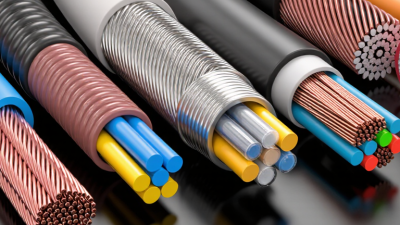
Choosing among China’s best cable wire manufacturers requires more than comparing prices. The right supplier should match your application, technical requirements, and delivery expectations. A cable used in a factory control cabinet faces different demands from one installed outdoors or in a building. Check conductor material, insulation type, voltage rating, temperature range, and test documentation before requesting a quote.
Ask for clear product specifications and samples when practical. Look for consistent labeling, traceable production records, and quality checks that cover conductor dimensions and insulation thickness. These details help you assess whether a manufacturer can deliver the same performance across repeat orders. A polished catalog is useful, but it cannot replace evidence. Not every supplier will provide the same level of detail.
Searches for “cable wire cable wire” may return broad results, so narrow your shortlist by product category and intended use. Then compare communication, customization options, lead times, and after-sales support alongside cost. A low quote can be attractive. It may also leave important questions unanswered. Careful checks take time, and even a strong supplier deserves ongoing review. This guide explains what to verify before choosing a cable wire manufacturer in China.
Before comparing manufacturers, define the cable and wire requirements precisely. Record the voltage, current, frequency, conductor material, insulation type, cable length, and installation method. A cable inside a dry control cabinet faces different risks from one buried outdoors. Include ambient temperature, moisture, chemicals, sunlight, bending frequency, and fire-performance needs. Details matter. An unclear requirement can produce a technically correct cable that fails in service.
Energy demand is raising the importance of reliable electrical infrastructure. The International Energy Agency’s Electricity 2024 report projects global electricity demand will grow by more than 4% annually through 2026. This growth makes conductor sizing and thermal performance more critical. Use the expected load, not only today’s measurement. Check voltage drop over the full route, especially for long factory feeders. Confirm short-circuit withstand capacity and permissible operating temperature. A small spreadsheet error can become a hot terminal.
Specify applicable standards and inspection documents before requesting quotations. Depending on the project, requirements may reference IEC 60228 for conductor construction, IEC 60502 for power cables, or local electrical codes.
Ask for conductor resistance, insulation test results, dimensional tolerances, and batch traceability. The International Renewable Energy Agency reported 473 GW of renewable capacity additions in 2023, showing why outdoor and grid-connected cable demand is expanding.
Yet more capacity does not remove uncertainty. Recheck drawings, load assumptions, and environmental conditions with an independent engineer. A polished datasheet is not proof of suitability.
When evaluating cable wire manufacturers in China, begin with certification evidence, not attractive product photos. Ask for current ISO 9001 certificates and confirm the certificate scope matches cable manufacturing. For electrical products, review applicable IEC or GB/T standards. Export projects may also require regional safety and environmental requirements. Check the certificate number, issuing body, factory address, and expiration date. A certificate covering another facility has limited value.
Request test reports for conductor resistance, insulation thickness, voltage performance, and flame behavior. These details reveal whether production follows controlled procedures. The report should identify the exact cable model, materials, test date, and laboratory. Independent laboratory testing provides stronger evidence than an internal document. Still, paperwork can be incomplete. That happens.
A reliable manufacturer should provide material traceability from copper or aluminum intake to finished coils. During a factory visit, observe labeling, extrusion lines, quality records, and sample storage. Ask how rejected cables are isolated and how customer complaints are investigated. Request production samples before placing a large order, then compare them with the approved specifications. Do not assume a familiar certificate guarantees every product. Standards change, documents expire, and factory conditions may shift. Careful verification remains necessary.
China Best Cable Wire Manufacturers How to Choose?
Material selection should match the installation, voltage, temperature, and bending conditions. Copper offers strong conductivity, while aluminium can reduce weight and material cost. Ask for conductor purity records, insulation compound details, and test certificates. IEC 60228 defines conductor resistance and construction classes, giving buyers a practical comparison point. Do not accept “premium copper” as a complete specification. It sounds convincing, but it proves little.
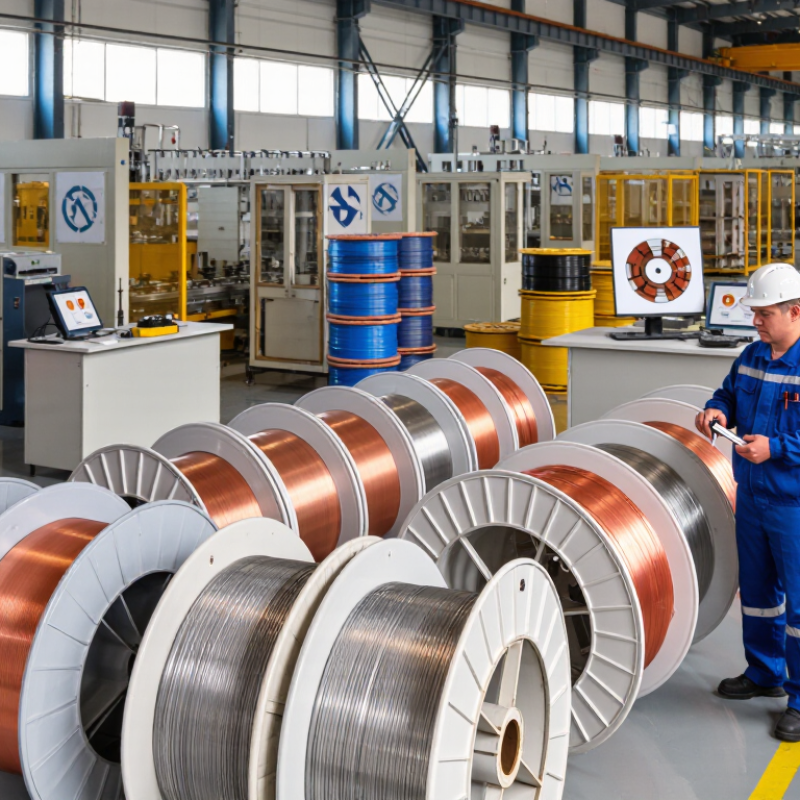
Production capacity needs evidence, not impressive factory photographs. Request monthly output figures, equipment lists, shift schedules, and recent delivery records. The IEA’s Electricity Grids and Secure Energy Transitions report says annual grid investment must exceed 600 billion dollars by 2030. That demand may pressure factories and suppliers. A large facility can still miss deadlines. Check whether production lines are dedicated, maintained, and supported by stable raw-material purchasing.
Tips: Audit one finished batch, not only the showroom. Verify conductor resistance, insulation thickness, tensile strength, and flame performance through independent testing. Review calibration records and traceability labels. ISO 9001 certification helps, but it cannot replace process observation. Ask for nonconformity rates and corrective-action reports. Some manufacturers may hesitate. That hesitation deserves attention. A factory audit is never perfect; even experienced buyers can miss weak subcontractors or rushed inspections. Use contracts with clear acceptance criteria, sample retention, and inspection rights.
Choosing a cable manufacturer means comparing the delivered specification, not just the price per meter. Ask for a breakdown covering conductor material, insulation, testing, packaging, and freight. Copper quotes can change with market prices, so check the pricing reference and quote validity date. A low price may omit costs that appear later. Check the details.
Customization should be documented in a drawing or technical schedule: conductor size, insulation type, temperature rating, color, and reel length. Ask whether samples and routine test reports are available before approving production. The International Energy Agency’s 2023 report, Electricity Grids and Secure Energy Transitions, says annual grid investment needs to exceed $600 billion by 2030. That growth points to rising pressure on cable supply chains, but it does not guarantee any supplier’s capacity or delivery date.
Request a production schedule with separate dates for material sourcing, manufacturing, inspection, and dispatch. Confirm lead times against the exact cable design, not a standard catalog item. For logistics, compare reel dimensions, loading plans, shipping terms, and destination handling costs. A quote may look complete while excluding port or inland charges. I would treat an unconfirmed shipping estimate as a risk, not a promise. Check that packing labels and test documents match the order before dispatch.
A reliable supplier should show more than a polished factory tour. Ask how many years it has produced your specific cable type, and request records for comparable projects. The IEA’s 2023 report, Electricity Grids and Secure Energy Transitions, says annual grid investment must exceed $600 billion by 2030 in its pathway. That growth raises the stakes for consistent cable quality. Check whether production and testing procedures align with relevant IEC standards. Review dated customer feedback, not just selected testimonials. Look for recurring comments about delivery, documentation, and response to defects.
Tips: Request samples from the same production line proposed for your order. Inspect conductor stranding, insulation finish, printing, and dimensions; then arrange independent testing where specifications demand it. A sample can look excellent and still fail under real installation conditions. That matters.
Before signing, confirm conductor material, voltage rating, tolerances, packaging, delivery milestones, inspection rights, and remedies for nonconforming goods. Put every agreed specification in the contract, including test reports and sample approval. Check payment stages against production milestones, and clarify who pays for repeat testing. Small wording gaps can become expensive. Even experienced buyers sometimes overlook one. A careful review helps, but it cannot eliminate every production risk.