2026 Top Cable Wire Types for Global Buyers?

In 2026, global buyers face a wider choice of cable wire types than ever before. Copper, aluminum, fiber, shielded, armored, and fire-resistant designs serve different project needs. Choosing the wrong type can increase energy loss, installation time, and long-term maintenance costs. The cable must match the voltage, current, environment, and installation method. Simple.

A reliable selection process begins with verified technical data. Buyers should review conductor material, insulation thickness, temperature rating, flexibility, and bending radius. Outdoor projects may require UV resistance and waterproof protection. Industrial sites often need oil resistance, mechanical strength, or electromagnetic shielding. Solar systems, data centers, factories, and building projects rarely need the same cable wire construction. In procurement reviews, clear test reports often reveal more than attractive product photos.

International compliance also deserves careful attention. IEC, UL, CSA, EN, and regional fire-safety requirements may apply differently. Buyers should confirm certification scope, factory quality controls, traceability, and batch testing. A certificate alone does not guarantee suitable field performance. Installation quality matters too. A technically correct cable can fail after poor termination, excessive pulling, or tight bends.

There is no universal best option. That point is easy to overlook. Pricing can also mislead when copper content, jacket quality, or delivery support differs. Responsible buyers should compare total project value, not only the purchase price. Some recommendations may need revision after site inspection or load testing. This guide examines leading cable wire types for global markets, helping readers make practical, documented, and safer purchasing decisions in 2026.

2026 Top Cable Wire Types for Global Buyers?

Understanding Cable and Wire Categories for Global Purchasing

2026 Top Cable Wire Types for Global Buyers

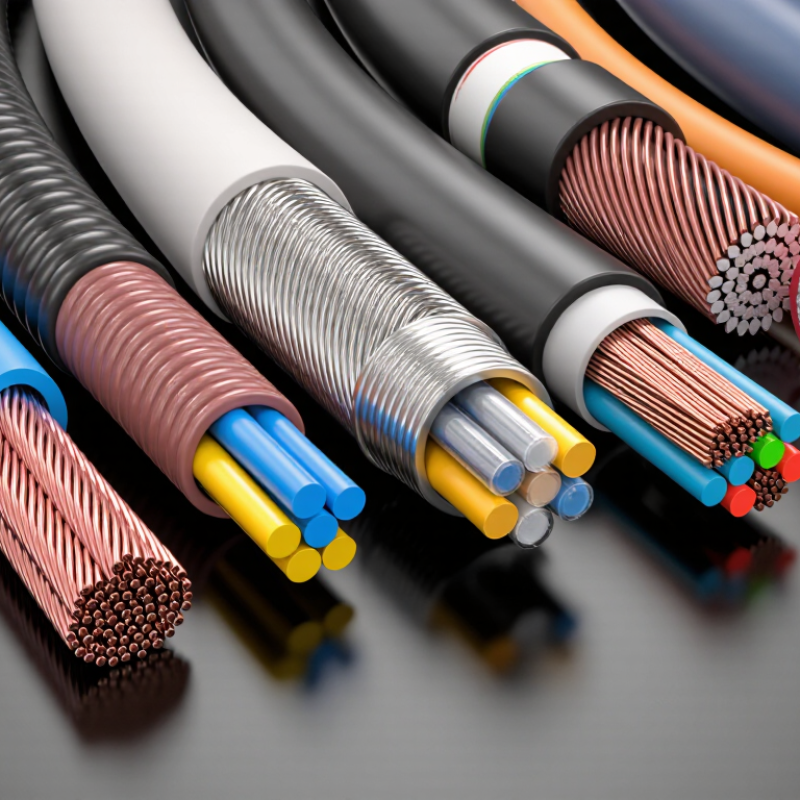
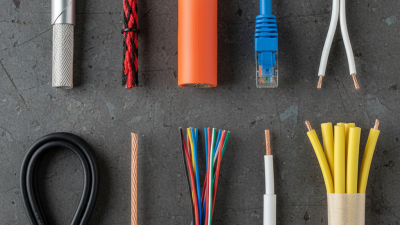
Understanding cable and wire categories is essential for accurate global purchasing. Building wires usually serve fixed electrical installations, while flexible cords support movable equipment. Power cables handle higher loads, and control cables connect sensors, panels, and automation devices. Communication categories include coaxial, twisted-pair, and fiber-optic cables. Each type solves a different transmission problem.
The conductor is only one part of the decision. Copper offers strong conductivity and easy termination, while aluminum can reduce weight and material cost. PVC insulation suits many indoor applications. XLPE supports higher temperatures and heavier electrical duties. LSZH materials may reduce smoke and corrosive gases in enclosed public areas. Shielding also matters near motors, inverters, or other sources of electrical interference.
Experienced buyers check voltage rating, cross-sectional area, temperature range, bending radius, and installation environment. A cable for a damp outdoor tray needs different protection from a dry control cabinet. Request test reports, conductor resistance data, dimensional drawings, and consistent product labeling. Samples should be measured and bent before large orders. I have learned that a clean datasheet can still hide a practical mismatch. That mistake is easy to make.

Packaging deserves attention too. Reels need moisture protection and clear length markings. Confirm destination requirements, applicable standards, inspection procedures, and documentation before shipment. A lower unit price may become expensive after short lengths, damaged insulation, or unsuitable terminals are discovered. Keep a small reserve for installation changes. Field conditions rarely follow the original drawing.

Comparing Conductors, Insulation Materials, and Performance Ratings

Global cable buyers often compare conductor metals first, yet insulation can determine long-term reliability. Copper offers high conductivity and easier termination. Aluminum reduces weight and material cost but needs careful joint preparation. Stranded conductors bend more easily than solid conductors. Choose based on installation movement, distance, and acceptable voltage drop.

PVC insulation suits many indoor and general-purpose circuits. XLPE handles higher temperatures and often supports greater current capacity. Polyethylene performs well in some outdoor and communication applications. Low-smoke, halogen-free insulation can reduce hazardous smoke during fire exposure. However, “safer” does not mean suitable for every environment. Check the complete construction.

Performance ratings need practical interpretation. Review voltage, ampacity, conductor temperature, flame behavior, UV resistance, and water exposure. A cable rated for 90°C may still require lower loading inside a hot, crowded tray. Installation methods change heat dissipation. Measure twice. Datasheet values can look precise, but field conditions are rarely perfect. Pulling tension, bending radius, terminal quality, and repeated flexing can reduce service life. A cable that works in a dry factory may fail outdoors under sunlight and moisture. Regional standards and testing records should match the destination market. Certification alone is not enough; verify size, batch information, test scope, and installation instructions. Sometimes the cheapest conductor becomes expensive after rework.

2026 Top Cable Wire Types for Global Buyers? - Comparing Conductors, Insulation Materials, and Performance Ratings

Practical comparison of widely used cable and wire constructions for building, industrial, utility, transportation, and infrastructure projects.

Wire or Cable Type Typical Conductor Insulation or Sheath Typical Voltage Rating Typical Maximum Conductor Temperature Key Performance Characteristics Common Applications Main Purchasing Considerations
PVC-Insulated Building Wire Annealed copper or aluminium; solid or stranded Thermoplastic PVC insulation 300/500 V or 450/750 V 70°C continuous Cost-effective, easy to strip and terminate, good resistance to moisture and many common chemicals; flame performance depends on construction. Residential and commercial wiring, control panels, conduit, trunking, and appliance wiring Check conductor class, PVC flame rating, ambient temperature, installation method, and local wiring requirements.
XLPE-Insulated Low-Voltage Power Cable Stranded copper or aluminium Cross-linked polyethylene insulation; PVC or low-smoke sheath options 0.6/1 kV 90°C continuous; 250°C short-circuit Higher continuous temperature capability than PVC, low dielectric loss, good moisture resistance, and strong overload performance. Industrial feeders, renewable-energy collection systems, commercial buildings, substations, and underground distribution Verify current-carrying capacity, sheath material, bending radius, water-blocking construction, and burial conditions.
XLPE-Insulated Medium-Voltage Cable Compact or stranded copper or aluminium with metallic screen XLPE insulation with semiconductive screens and copper-wire or copper-tape screen 3.6/6 kV to 18/30 kV 90°C continuous; 250°C short-circuit Low dielectric loss, high insulation resistance, suitable for underground and indoor distribution, and compatible with screened termination systems. Utility distribution, industrial substations, wind and solar collector networks, and large facilities Confirm partial-discharge performance, screen cross-section, earthing arrangement, water-blocking, and termination compatibility.
EPR-Insulated Medium-Voltage Cable Stranded copper or aluminium with metallic screen Ethylene-propylene rubber insulation with protective sheath 3.6/6 kV to 18/30 kV 90°C continuous; 250°C short-circuit Flexible insulation, strong resistance to moisture and electrical treeing, and good performance under thermal cycling and difficult installation conditions. Industrial networks, wet locations, marine-related infrastructure, mining, and utility distribution Compare water resistance, flexibility, screen design, outer sheath, and installation-temperature limits.
Low-Smoke Zero-Halogen Cable Stranded copper; aluminium may be used in larger power designs Halogen-free thermoplastic or cross-linked insulation and sheath 300/500 V, 450/750 V, or 0.6/1 kV Typically 70°C or 90°C Low smoke emission and low corrosive-gas release during fire; supports improved visibility and reduced equipment corrosion in enclosed spaces. Transport hubs, hospitals, data centers, public buildings, tunnels, and evacuation routes Check smoke, halogen-acid-gas, flame-spread, circuit-integrity, and fire-survival classifications separately.
EPR or Rubber Flexible Cable Fine-stranded copper Elastomeric insulation with rubber or thermoplastic elastomer sheath 300/500 V to 0.6/1 kV Typically 60°C to 90°C High flexibility, good resistance to vibration and repeated movement, and suitable for temporary or mobile power applications. Construction equipment, welding equipment, portable machinery, generators, and industrial extension systems Confirm flexing cycle rating, oil resistance, abrasion resistance, water resistance, and minimum operating temperature.
PUR-Sheathed Flexible Cable Fine-stranded copper Thermoplastic polyurethane outer sheath; insulation may be PVC, rubber, or elastomeric 300/500 V or 0.6/1 kV Typically 80°C to 90°C Excellent abrasion, tear, oil, and chemical resistance; suitable for drag chains and harsh mechanical environments when specifically designed for continuous flexing. Robotics, automated machinery, mobile equipment, material-handling systems, and outdoor industrial installations Check torsion rating, bending radius, drag-chain suitability, hydrolysis resistance, and connector compatibility.
Silicone-Insulated High-Temperature Wire Fine-stranded or stranded tinned copper Silicone rubber insulation, sometimes with fiberglass braid or an outer sheath 300/500 V or 0.6/1 kV Typically 180°C Very flexible over a wide temperature range, good resistance to ozone and weathering, and suitable for tight routing near heat sources. Ovens, heaters, lighting equipment, power supplies, motors, and high-temperature control wiring Assess mechanical protection, cut resistance, oil exposure, voltage rating, and whether a fiberglass braid is required.
PTFE-Insulated High-Temperature Wire Silver-plated, nickel-plated, or bare copper depending on design Polytetrafluoroethylene insulation Typically 300/500 V to 1 kV Typically 200°C to 260°C Excellent thermal stability, very low friction, strong chemical resistance, and low dielectric loss; insulation can be damaged by sharp mechanical abuse. Aerospace-related equipment, laboratory systems, instrumentation, high-temperature appliances, and chemical processing equipment Verify conductor plating, cold-flow resistance, stripping method, bend radius, and required fire or smoke performance.
Mineral-Insulated Copper-Sheathed Cable Solid copper conductors Compacted magnesium oxide insulation with a copper sheath Typically 500 V to 1,000 V Up to approximately 250°C continuous, design-dependent Excellent fire resistance, high mechanical protection, low smoke generation, and strong circuit integrity under fire when correctly installed. Emergency circuits, fire pumps, alarms, high-temperature areas, industrial plants, and critical infrastructure Consider sealing against moisture, specialized termination, installation skill, bending limitations, and higher material cost.
Bare AAC Overhead Conductor All-aluminium stranded conductor No insulation; installed with designed clearances System-voltage dependent; commonly used on distribution lines Typically 75°C under standard rating conditions Lightweight and economical, with good conductivity-to-weight performance; lower tensile strength than aluminium-alloy or steel-reinforced conductors. Short and medium-span overhead distribution lines in areas with moderate mechanical loading Check span length, wind and ice loading, sag, corrosion environment, jointing method, and required ampacity.
Bare AAAC Overhead Conductor Aluminium-magnesium-silicon alloy strands No insulation; installed with designed clearances System-voltage dependent; commonly used on distribution lines Typically 75°C under standard rating conditions Better tensile strength and corrosion resistance than pure aluminium conductors, with good conductivity and reduced dependence on a steel core. Coastal areas, urban distribution, medium-span overhead lines, and networks requiring improved corrosion resistance Compare conductivity, mechanical strength, thermal sag, creep characteristics, and local accessory availability.
Bare ACSR Overhead Conductor Aluminium strands around a galvanized steel core No insulation; installed with designed clearances System-voltage dependent; commonly used on transmission and distribution lines Typically 75°C; higher ratings require special design High tensile strength and long-span capability; the steel core improves mechanical performance while the aluminium layers provide conductivity. Transmission lines, long-span crossings, mountainous terrain, and overhead networks with high mechanical loading Review steel-core corrosion protection, sag-tension calculations, vibration control, fault current, and environmental loading.

Technical note: The values shown are typical industry ranges for comparison only. Actual ampacity, voltage rating, conductor temperature, fire classification, bending radius, and service life depend on conductor size, installation method, ambient conditions, grouping, sheath design, applicable standards, and project-specific calculations.

Selecting Cable Types for Power, Data, Control, and Specialty Uses

Global buyers need cable choices matched to the job, not just the voltage label. The International Energy Agency’s Electricity 2024 report forecasts global electricity demand growth of about 3.4% annually from 2024 to 2026. That supports continued demand for low-voltage power, medium-voltage distribution, and renewable-energy cables. Copper remains useful where flexibility and compact conductors matter. Aluminum can reduce weight and material cost in suitable installations. However, termination quality can change the result.

Data systems require different thinking. The 2024 global mobile traffic report from Ericsson estimates monthly mobile data traffic reached about 157 exabytes at the end of 2023. Fiber-optic cable suits long-distance, high-bandwidth links and resists electromagnetic interference. Category-rated copper supports shorter horizontal connections and easier field termination. Control cables need reliable shielding, pair selection, and clear identification near motors, sensors, and automation panels. Specialty designs may include fire-resistant, oil-resistant, flexible, or low-smoke constructions. A neat specification can still mislead.

Tips: Check voltage, current, temperature, bend radius, installation space, and environmental exposure before comparing prices. Ask for test reports, conductor resistance, insulation ratings, and traceable production records. IEC-based testing is valuable, but local installation rules still require review. In practice, buyers sometimes choose the strongest-looking cable and overlook connector compatibility. I have seen that mistake create more risk than the cable itself. Consider lifecycle cost, not only the first quotation.

Evaluating Safety Standards, Certifications, and Regional Compliance

2026 Top Cable Wire Types for Global Buyers?
Evaluating Safety Standards, Certifications, and Regional Compliance

Choosing cable wire in 2026 requires more than comparing copper content and price. Safety starts with the cable’s intended use, voltage, temperature, moisture, and installation environment. A flexible control cable may suit machinery, while a fire-resistant power cable may be necessary in public buildings. The wrong insulation can crack beside a hot motor or soften inside a crowded conduit.

Relevant standards should match the destination market. IEC 60227 commonly covers PVC-insulated cables, while IEC 60502 addresses many power cable applications. Fire performance may involve IEC 60332, IEC 60754, or IEC 61034 testing. These numbers are useful, but they do not automatically prove full product compliance. Ask for current test reports, the laboratory’s accreditation scope, and the exact cable model tested.

Regional documentation also matters. In the European market, CE marking involves a supplier’s declaration of conformity, not a universal quality certificate. Construction cables may require performance assessment under the applicable fire classification rules. North American buyers often request evidence aligned with local electrical codes and recognized testing requirements. Australia and New Zealand may require RCM-related documentation. Requirements can change.

Inspect the jacket printing, batch number, conductor size, voltage rating, and production date. Match them with the invoice and test report. One detail is often missed: the report may describe a similar cable, not the supplied one. A careful buyer checks traceability before shipment, then keeps samples for independent verification. Paperwork can look complete and still hide a mismatch.

Matching Cable Specifications with Installation Conditions and Budgets

2026 Top Cable Wire Types for Global Buyers

Cable selection starts with the installation site, not the catalogue price. The IEA Electricity 2024 report expects global electricity demand to grow by about 3.4% annually through 2026. This growth will increase demand for building, industrial, renewable-energy, and data-network cables. Each application needs different protection, conductivity, and mechanical strength.

Copper conductors suit compact installations and frequent termination work. Aluminum conductors can reduce material costs on long feeders, but they require careful joint preparation and correct terminal compatibility. PVC insulation fits many dry indoor systems. XLPE performs better under higher thermal loads. Low-smoke, halogen-free cable is worth considering in tunnels, transport facilities, and crowded public buildings. Outdoor trenches may require armored construction, water resistance, and verified burial suitability. Standards such as IEC 60364 and IEC 60502 provide useful checkpoints.

Installation conditions change the budget quickly. A cable in a shaded tray may need less thermal protection than one inside a crowded conduit. Ambient temperature, grouping, voltage drop, soil conditions, bending radius, and maintenance access all affect the final specification. The IEA Renewables 2024 report forecasts nearly 5,500 GW of renewable capacity additions by 2030, increasing pressure for reliable power collection and transmission systems. My field experience suggests that the cheapest cable quote is rarely the cheapest installed solution. It can fail.

Some purchasing decisions remain imperfect. Buyers may over-specify insulation while ignoring connectors, routing labor, or testing. A practical comparison should include lifecycle cost, certificates, conductor resistance, delivery reliability, and local installation rules. Specs must match reality.

2026 Top Cable Wire Types for Global Buyers

Matching cable specifications with installation conditions and budgets

How to read the chart: The values show typical continuous conductor temperature ratings for commonly specified cable types. PVC is often selected for cost-sensitive indoor wiring, XLPE and EPR are preferred for higher-load power distribution, LSZH is used where low smoke and low halogen emissions are important, and mineral-insulated cable is suitable for high-temperature or fire-resistant installations. Actual ratings depend on conductor size, ambient temperature, grouping, installation method, voltage level, and the applicable national standard.

Typical reference values: always confirm the final cable specification, ampacity, fire performance, and regulatory requirements with the project standard and cable manufacturer.