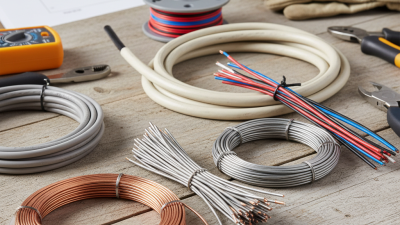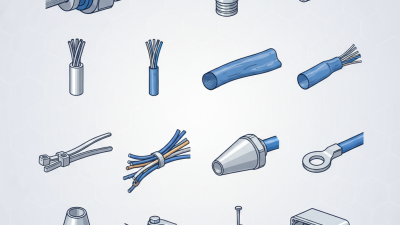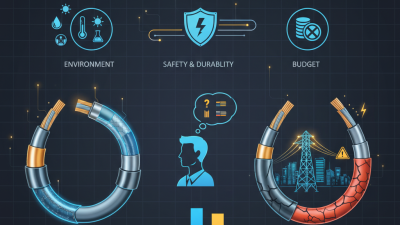
Choosing electrical wire is not simply a matter of picking the thickest cable or the lowest price. Wire carries current through walls, ceilings, appliances, and outdoor equipment, so its construction must match the job. A small residential circuit may use copper conductors with heat-resistant insulation, while a long outdoor run may require different protection against moisture, sunlight, and physical damage.
The right choice depends on several details. Wire gauge affects how much current it can safely carry and how much voltage may drop over distance. Solid wire is often convenient for fixed connections, while stranded wire bends more easily inside equipment and tight spaces. Copper usually offers excellent conductivity, but aluminum can suit certain larger installations when properly selected and terminated. The insulation rating matters too. Look for markings that identify temperature limits, permitted locations, and approved applications.
Small details matter.
A qualified electrician should verify the circuit rating, breaker size, terminal compatibility, and local requirements before installation. Product markings and manufacturer instructions provide more dependable guidance than online guesses. Even experienced do-it-yourself buyers can confuse wire size with overall cable diameter, which may lead to an unsafe purchase. I have also found that “universal” wire descriptions often hide important limitations. This guide explains what electrical wire is, how its main types differ, and which option may fit your project. It also encourages a careful pause before buying, because a wire that looks suitable on the shelf may perform poorly in a hot attic, damp conduit, or crowded junction box.
Electrical wire is a pathway for electric current. Its conductor is usually copper or aluminum, chosen for conductivity, weight, and cost. Copper bends easily and carries current efficiently. Aluminum is lighter, but its connections need careful preparation. The metal alone is not enough. It needs insulation.
Insulation surrounds the conductor and helps prevent shocks, shorts, heat damage, and moisture exposure. Common insulation materials are thermoplastic compounds, but their ratings differ.
Some wires suit dry indoor spaces. Others tolerate damp areas, sunlight, oil, or higher temperatures. Read the printed markings carefully. They often identify voltage, temperature, conductor size, and permitted installation conditions.
A cable may contain several insulated conductors inside one outer jacket. For example, a circuit cable can include live, neutral, and grounding conductors. Stranded wire bends well around equipment terminals, while solid wire stays firm in fixed runs. Choose wire size by ampacity, distance, installation method, and expected load, not by appearance. A thicker wire is not automatically the correct choice. It may fit poorly in a terminal or hide another design problem.
Small details matter. Really matter. Before buying, compare the wire’s rating with local electrical rules and the equipment instructions. Labels can be confusing, especially when similar sizes use different measurement systems. I would recheck every connection, because a loose terminal can heat slowly and fail later. When the load, environment, or code requirement is uncertain, a qualified electrician should verify the selection.
Electrical wire carries power between a source, switch, and load, but its size determines how much current it can safely handle. American Wire Gauge, or AWG, uses smaller numbers for thicker conductors. A thicker conductor usually has lower resistance and carries more current with less heating.
NEC Table 310.16 lists 14 AWG copper at 15 amps under specified conditions. That rating is not a universal permission for every installation. Insulation temperature, ambient heat, conductor bundling, terminal ratings, and continuous loads can change the decision. For example, a 15-amp circuit may require 14 AWG, while a 20-amp circuit commonly calls for 12 AWG. The breaker must protect the wire, not merely match the appliance label.
Choose the wire type for its environment. Solid wire works well in fixed residential runs, while stranded wire bends more easily inside equipment and tight enclosures. Dry locations, damp spaces, underground routes, and high-temperature areas require different insulation ratings. Copper and aluminum also have different termination requirements. Check the current NEC edition adopted locally, and follow the equipment instructions. The table is useful, but it is only one part of the calculation. A quick AWG shortcut can feel efficient. It can also be wrong. When the circuit conditions are unclear, have a qualified electrician verify the design before installation.
Electrical wire contains a conductive metal surrounded by insulation. The conductor carries current, while the insulation limits contact, heat exposure, and accidental faults. Copper and aluminum are common choices, but their performance differs in practical ways.
Copper conducts electricity better than aluminum. Its lower resistance allows a smaller conductor to carry the same current under similar conditions. Copper also resists mechanical damage and holds connections reliably. It feels solid. However, copper is heavier and usually costs more, especially for long cable runs.
Aluminum is much lighter, often weighing about one-third as much as copper. It can reduce handling effort on long feeders and may lower material costs. The trade-off is higher electrical resistance, so aluminum generally needs a larger conductor size. Its connections also require careful preparation because aluminum expands with heat and can form an insulating oxide layer. Poorly prepared terminals may loosen or overheat.
Wire selection should consider ampacity, installation method, ambient temperature, insulation rating, and local electrical requirements. A lower price does not always mean lower total cost. Larger aluminum conductors may need more space, different terminals, or extra installation care. It is easy to compare metals and overlook these details. For household branch circuits, copper is often simpler. For large, fixed conductors, aluminum may be practical when correctly sized and terminated. A qualified electrician should verify the design before installation.
Electrical wire carries current through a metal conductor, while insulation controls heat, moisture, and accidental contact. The insulation type matters as much as the wire size.
In a warm, dry wall cavity, NM-B is commonly suitable for residential branch circuits. Its jacket protects multiple insulated conductors and a grounding wire. However, NM-B is not intended for wet locations or direct burial.
THHN THHN is a heat-resistant conductor often used inside conduit. Many THHN conductors also carry a THWN-2 rating, allowing use in wet locations when installed correctly.
UF-B UF-B has a stronger moisture-resistant jacket and is designed for direct burial applications, following local installation requirements.
XHHW-2 XHHW-2 offers durable insulation for feeders and demanding wet or dry environments. It is often chosen where higher heat resistance and mechanical durability are important.
That small label difference matters. A conduit can collect condensation, even when it looks completely sealed.
Do not choose wire by appearance alone. Check conductor size, ampacity, temperature rating, voltage rating, and the installation method.
I once assumed a dry-looking crawl space was harmless, but seasonal moisture changed that judgment. That mistake is easy to repeat. Read the printing on the insulation, confirm the circuit load, and match the wire to approved connectors and conduit. Local electrical rules and an inspection may require details that a general guide cannot cover. When the application is unclear, ask a qualified electrician before purchasing.
What Is Electrical Wire and Which Type Should You Buy?
Electrical wire carries current through a conductive metal core and protective insulation. Voltage comes first. Choose insulation rated above the circuit voltage, not merely the expected load. Wire size must also match ampacity, breaker protection, and installation length. A longer run may require a larger conductor to limit voltage drop. The smallest acceptable wire is not always the safest choice.
Temperature matters too. Insulation has a maximum temperature rating, while terminals and connected equipment may have lower limits. Moisture changes everything. Wet locations, outdoor spaces, sunlight, soil, and chemical exposure require suitable insulation and protection. Some cables belong in conduit, while others are approved for direct burial. Never assume a jacket’s appearance proves its suitability.
The NEC provides ampacity tables, adjustment rules, grounding requirements, and location-specific provisions. Local authorities may adopt a different NEC edition or add amendments. Check the applicable rules before purchasing materials. A qualified electrician should confirm conductor size, overcurrent protection, box fill, and termination compatibility. Copper and aluminum conductors also need different handling and approved connectors. Do not guess.
In practical installations, crowded conduit can raise conductor temperature. Bundled wires may need ampacity reductions. I still verify these details because a correct gauge alone does not guarantee a compliant installation. A wire can look heavy enough and still fail the environmental or temperature requirements. That is an easy mistake to make.