Who Are the Top Control Wire Manufacturers in China?

China has a large and varied cable manufacturing sector, with suppliers serving industrial automation, machinery, building systems, and other applications. This guide explores who the top control wire manufacturers in China may be, and what buyers should examine before contacting them. “Top” is not a fixed label. A supplier suited to a compact control cabinet may not fit a demanding outdoor installation.

A control wire selection starts with the actual job. Consider conductor material, insulation, voltage rating, temperature range, shielding, flexibility, and installation environment. Look beyond a polished catalog. Ask for current datasheets, relevant test reports, production details, and clear answers about customization. The right evidence depends on the intended use.

Quality systems matter. So do consistent specifications and responsive technical support. Buyers can also compare production capacity, export experience, lead times, and sample availability. A low quotation may leave important details unclear. That distinction matters.

This overview uses practical criteria to help readers assess manufacturers, rather than treating a name on a list as an automatic endorsement. Company capabilities and product ranges can change, and public information may not reveal every limitation. That is worth remembering. Verify claims directly, confirm that samples match the stated specifications, and clarify acceptance requirements before placing an order. The comparison is a starting point, not a substitute for technical review.
Who Are the Top Control Wire Manufacturers in China?

What Control Wires Are and Where They Are Used

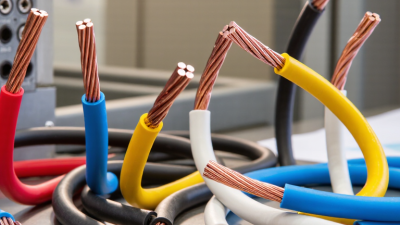
Control wires carry command, measurement, and status signals between equipment, rather than supplying its main operating power. In a factory, they may link a control panel to a motor starter, sensor, or emergency stop. Inside a building, they can connect thermostats, access controls, and other automation devices. Their conductors are often copper, with insulation and shielding selected for voltage, temperature, mechanical movement, and electrical noise. Small signals. Big consequences.

The right cable depends on the installation: a moving machine may need flexible conductors, while a noisy production area may call for shielding and careful grounding. That distinction is easy to blur on a specification sheet, so signal type and routing deserve a second check.

The International Energy Agency’s 2023 report, Electricity Grids and Secure Energy Transitions, estimates that 80 million kilometres of grids must be added or refurbished by 2040. That figure concerns power grids, not control-wire demand directly, but it highlights the scale of electrical infrastructure upgrades that rely on dependable monitoring and control connections.

A failed signal may stop a line even when its power supply remains intact.

How to Evaluate Control Wire Manufacturers in China

Who Are the Top Control Wire Manufacturers in China?

How to Evaluate Control Wire Manufacturers in China

There is no reliable single ranking of China’s control wire manufacturers. The right supplier depends on your voltage, conductor material, insulation, operating temperature, and installation environment. Share a clear specification sheet, then check whether the manufacturer can explain each construction detail. For example, ask about conductor size, insulation thickness, and testing methods. Specific answers are more useful than broad claims about quality.

Request sample reports and confirm they match the wire you plan to order. Check production records, material traceability, and whether inspection covers dimensions, electrical performance, and packaging. Ask for applicable certifications and verify their scope and validity independently. A factory visit or live production review can reveal practical details, such as how batches are labeled and stored. Still, a polished audit cannot guarantee every shipment will be consistent.

Tips: Compare samples against your written specifications, not just against one another. Clarify lead times, minimum quantities, and how defects are handled. Keep key requirements in writing. Small gaps matter. I would also review how clearly the supplier responds to technical questions; it is an imperfect measure, but vague answers early on can create costly confusion later.

Leading Control Wire Manufacturers in China

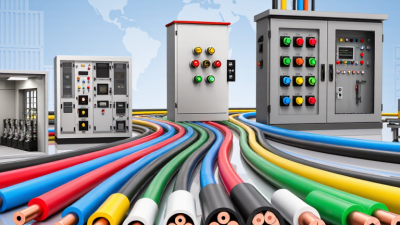
Leading control wire manufacturers in China supply products for machinery, control cabinets, production lines, and building systems. Their capabilities can differ widely, even when catalog descriptions look similar. A useful supplier review starts with the application: conductor size, voltage, operating temperature, flexibility, and exposure to oil or abrasion. Small details matter.

Reliable manufacturers should explain how they control conductor stranding, insulation thickness, and finished-wire dimensions. Ask for current test reports and traceability records tied to the product batch. Samples can also reveal practical differences: check whether the insulation surface is even, the printing remains legible, and the wire bends without visible cracking. A polished sample is helpful, but it does not replace documented quality checks.

Buyers should compare specifications line by line rather than relying on broad claims such as “high performance.” Ask whether the wire is designed for continuous movement or fixed installation; those uses place different demands on construction. Clarify packaging, lead time, and how changes to materials or production are communicated. I would not assume that the lowest quote offers the best value. Nor is a long specification automatically a good one. A clear, verifiable answer is more useful than an impressive promise.

Who Are the Top Control Wire Manufacturers in China? - Leading Control Wire Manufacturers in China

This table provides a standards-based comparison framework for assessing manufacturers. It does not assign company rankings or present unverified company-specific claims.

Evaluation Dimension Verifiable Product or Standard Reference What to Check in a Manufacturer’s Documentation Why It Matters
Control-cable product coverage Control cables are available in different conductor counts, conductor sizes, insulation materials, and sheath constructions. Confirm the stated core count, conductor cross-sectional area, conductor class, insulation, sheath, and intended installation conditions for each product. These details determine whether a cable is suitable for the required control circuit and installation environment.
Chinese product standard GB/T 9330-2020 covers plastic-insulated control cables. Check whether the datasheet identifies the applicable standard and the specific cable type or construction covered. A stated standard gives buyers a defined basis for reviewing construction and test requirements.
PVC-insulated cable reference IEC 60227 covers PVC-insulated cables with rated voltages up to 450/750 V. Verify the rated voltage, product designation, construction, and test evidence for the exact cable offered. Voltage rating and construction must match the intended fixed-wiring application and applicable requirements.
Flame-propagation testing IEC 60332-1-2 specifies a vertical flame-propagation test for a single insulated wire or cable. Request the test report and confirm that the tested sample and test method correspond to the offered product. Fire-performance claims should be supported by test results, rather than inferred from the cable description alone.
Bunched-cable flame testing IEC 60332-3 covers flame-propagation testing of bunched wires or cables in specified test categories. Check the exact test category and sample configuration stated in the report. A single-cable test and a bunched-cable test address different installation conditions.
Halogen-acid gas assessment IEC 60754-1 addresses the determination of the amount of halogen acid gas generated during combustion; IEC 60754-2 addresses acidity and conductivity. For low-halogen or halogen-free claims, review the relevant test methods and the reported results. Specific test evidence helps clarify what a material or cable’s fire-related environmental claims mean.
Smoke-emission testing IEC 61034-2 specifies the determination of smoke density from burning cables under defined test conditions. Check for a report identifying the tested cable and the applicable edition or method. Smoke performance is a separate property from flame propagation and should be assessed independently.
Conductor and insulation quality control Conductor resistance and insulation properties are assessed against the applicable product specification and test requirements. Ask for product-specific inspection records, test methods, and acceptance criteria; compare results with the cited standard. Measured results provide a more meaningful basis for comparison than general quality statements.
Product traceability Traceability information typically links the cable marking and production lot to relevant product and inspection records. Review sample markings, lot identification, datasheets, and certificates or reports for consistency. Consistent documentation makes it easier to verify that supplied products match the approved specification.

Key Products and Industries Served by Chinese Manufacturers

Chinese control wire manufacturers produce multicore cables for control panels, machines, and automated production lines. Common constructions use copper conductors with PVC or XLPE insulation. Shielding helps reduce electrical interference in sensor and signal circuits. Some products add flexible jackets or protective armor for repeated movement or tougher installation conditions. Specifications differ by supplier and intended use.

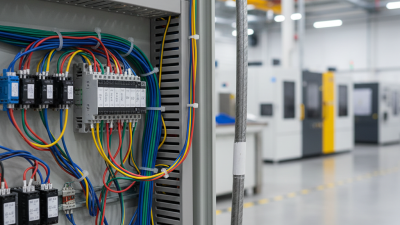
Industries served include factory automation, machine building, power equipment, building systems, and transportation infrastructure. A packaging line may need flexible control cables that bend repeatedly around moving equipment. A building control cabinet may instead require clearly identified cores and stable insulation performance. Buyers should compare conductor size, voltage rating, temperature range, shielding, and applicable test documentation. These details matter. Product names alone rarely reveal whether a cable suits a particular installation, and published specifications should be checked against actual operating conditions.

Tips: Ask for a datasheet and sample test records. Confirm bend radius, installation environment, and cable markings before ordering. If requirements are unclear, review them with a qualified electrical engineer. Small mismatches can cause avoidable installation delays.

How to Compare Suppliers and Verify Their Credentials

Comparing Chinese control wire suppliers requires more than checking price and delivery time. The International Energy Agency’s 2023 report, Electricity Grids and Secure Energy Transitions, says annual grid investment must rise to over USD 600 billion by 2030. That figure highlights the pressure on dependable electrical infrastructure, but it does not prove any supplier’s quality. Verify the factory behind the quotation, not just the trading office.

Ask for current certificates and confirm their scope, issuing body, validity, and named production site. Request test reports tied to the offered cable construction and applicable standards. Check conductor resistance, insulation thickness, voltage rating, and temperature limits against your specification. For fire-performance needs, confirm the exact test method and cable type; a general certificate is not enough. Paper is not proof.

Request batch traceability, a production sample, and permission for an independent inspection before shipment. Compare sample markings and dimensions with the final datasheet. A supplier should explain how it controls raw materials, in-process checks, and nonconforming products. A tidy document pack can still leave gaps, so ask specific questions and record the answers. That takes time. It is worth it. One detail buyers sometimes overlook: confirm that the test report covers the same conductor size and insulation material you plan to order.