What Are the Top Control Wire Suppliers Worldwide?
Choosing the top control wire suppliers worldwide requires more than brand recognition. Control wire carries signals, power, or switching commands inside demanding industrial systems. Its reliability can affect a factory line, elevator, machine tool, or building control panel. This guide examines suppliers through practical engineering criteria, not advertising claims. These criteria include conductor quality, insulation consistency, temperature ratings, flexibility, and documented testing. It also considers UL, CSA, IEC, and other relevant certifications. Manufacturing capacity matters, but so does traceability. A supplier should identify materials, production batches, and test results clearly.
Real-world performance often depends on small details. A copper conductor may need to bend repeatedly beside a moving machine. A PVC jacket may suit a fixed panel but fail in oil, heat, or constant motion. Strong suppliers explain these limits instead of promising universal performance. They also provide accurate drawings, sample lengths, technical support, and stable delivery schedules. Regional availability can influence the final choice. A European project may require different approvals from an installation in North America or Asia. Public supplier data is sometimes incomplete, so comparisons deserve careful verification. No ranking remains perfect forever. Pricing, capacity, and product lines change. This overview therefore presents a balanced starting point for engineers, purchasers, and system integrators seeking dependable control wire for specific operating conditions.
What Is Control Wire and Where Is It Used?
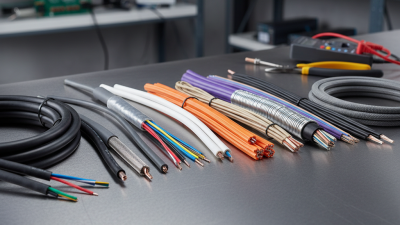
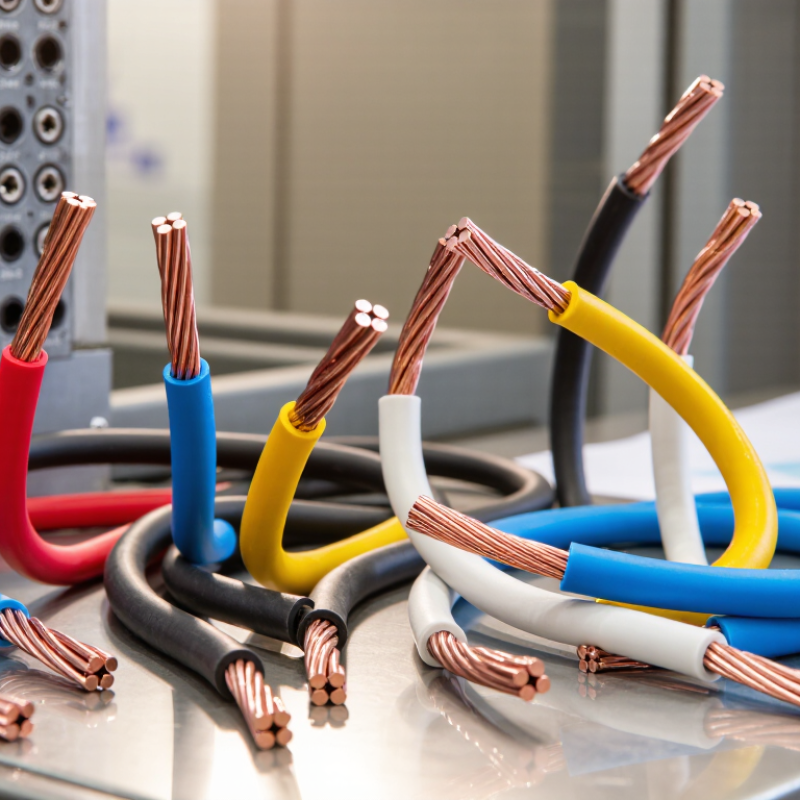
Control wire is an insulated electrical conductor used to transmit commands, signals, or low-power control energy. It connects switches, sensors, relays, controllers, and actuators in organized systems. Unlike power cable, it usually carries less current and supports precise equipment operation. Common constructions include copper conductors, polymer insulation, shielding, and protective outer jackets. The correct design depends on voltage, temperature, flexibility, and installation conditions.
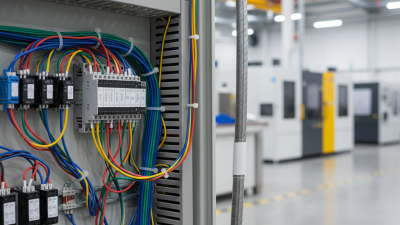
You will find control wire inside factory panels, conveyor systems, machine tools, HVAC equipment, elevators, and building automation networks.
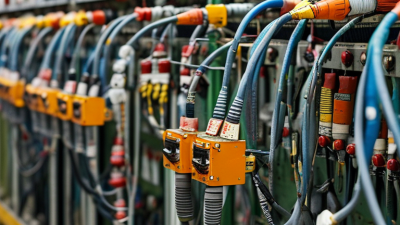
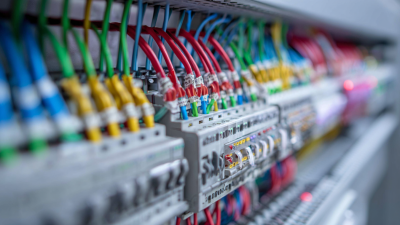
In a control cabinet, color-coded conductors can link an emergency stop circuit to a relay. In a dusty plant, a durable jacket helps resist abrasion and oil. Shielded versions can reduce electrical interference near motors and variable-speed drives. Small details matter.
Top worldwide suppliers usually provide single conductors, multi-core cables, flexible versions, and products for harsh environments.
Buyers should verify conductor size, insulation rating, bend radius, flame performance, and testing records before ordering. International projects also require recognized electrical standards and clear documentation. A low price can hide poor consistency. Field experience shows that technically compatible wire may still fail when it is too rigid for repeated movement. Supplier claims deserve checking against datasheets, samples, and independent quality evidence. That review feels slow, yet it can prevent expensive rework.
How Are the World’s Top Control Wire Suppliers Evaluated?
Evaluating the world’s top control wire suppliers requires more than comparing prices or production volume. Buyers examine conductor material, insulation quality, voltage ratings, and temperature resistance. These details affect signal stability inside control cabinets and automated equipment. A dependable supplier provides clear technical datasheets, batch records, and laboratory test results. Samples should be inspected for jacket uniformity, labeling, flexibility, and clean stripping. Small defects can cause large maintenance problems.
Field experience also matters. Experienced evaluators review how wires perform after repeated bending, vibration, heat exposure, and contact with oils. They may request test lengths before approving a large order. Independent certification can support credibility, but it should never replace practical testing. A certificate may confirm compliance under specific conditions, not every installation environment. That distinction is easy to miss.
Supply reliability forms another major evaluation point. Reviewers examine production capacity, delivery history, response times, and change-control procedures. Traceable manufacturing records help identify problems quickly. Technical support should explain failures clearly, without hiding uncertainty. No evaluation is perfectly objective. A polished factory visit can create confidence, yet shipment consistency may tell a different story. Cost also deserves careful review. The cheapest wire may require more replacements, longer downtime, or extra inspection. Some suppliers communicate well but lack flexibility during urgent engineering changes. That weakness may appear only after a project has started.
Which Control Wire Suppliers Lead the Global Market?
The control wire suppliers leading the global market are not always the largest manufacturers. Many earn trust through consistent quality, responsive engineering, and dependable delivery. In factory audits, experienced buyers often inspect conductor purity, insulation thickness, bend performance, and batch records before discussing price. Small details matter. A cable that cracks near a terminal can stop an entire production line.
Leading suppliers usually serve automation, energy, transportation, and industrial equipment projects across several regions. Their advantage comes from flexible production, technical support, and clear compliance documentation. They can provide PVC, XLPE, or low-smoke insulation for different temperatures and installation conditions. They also manage custom colors, conductor counts, shielding, and cut lengths without losing process control. Reliable suppliers explain testing methods instead of offering vague promises. They should share traceability data, sample reports, and realistic lead times.
However, supplier selection is rarely perfect. A technically strong factory may struggle with communication or sudden capacity limits. A low quoted price may hide expensive delays, excess packaging, or weak after-sales support. I have found that sample testing under real bending and temperature conditions reveals more than a polished presentation. Ask difficult questions. Then verify the answers through repeat orders, inspection records, and customer references. Global market leadership should mean stable performance across shipments, not merely a broad product catalog.
How Do Leading Suppliers Compare by Products and Regions?
Worldwide control wire suppliers differ less by name than by product depth, certification, and regional delivery strength. The International Energy Agency’s Electricity Grids and Secure Energy Transitions report estimates that annual grid investment must exceed 600 billion dollars by 2030. This supports demand for control cables in substations, factories, transport systems, and building automation.
European suppliers often emphasize flexible, halogen-free, flame-retardant, and shielded cables for dense industrial environments. IEC-based testing remains important, especially for fire behavior, voltage rating, and electromagnetic interference. North American suppliers commonly focus on machine wiring, tray-rated products, and approvals required for industrial installations. Their catalogues may suit automated plants better than utility projects. Regional rules matter.
Asian suppliers usually compete through broad product ranges and high-volume production. Many offer PVC, XLPE, instrumentation, robotic, and armored control cables, with shorter lead times for nearby markets. The Asian Development Bank’s infrastructure outlook continues to identify power and industrial investment as major regional needs, although demand varies sharply between countries. Quality can be excellent, but documentation and batch traceability require careful checking.
A practical comparison should examine conductor class, insulation material, bending radius, shielding, temperature range, and test certificates. Price alone is misleading. A cheaper cable may require larger stock, extra installation labor, or earlier replacement. Supplier claims also deserve independent verification. That step is often skipped. Product fit, local inventory, and technical support can matter more than global production volume. Industry forecasts differ, and control-wire data is sometimes grouped with broader cable markets, so buyers should treat headline figures cautiously.
What Are the Top Control Wire Suppliers Worldwide?
How Do Leading Suppliers Compare by Products and Regions?
This chart compares regional demand intensity across major control-wire product categories. The index is normalized to a global average of 100 and reflects broad industry segmentation patterns rather than company revenue, market share, or brand performance.
What Should Buyers Consider When Choosing a Supplier?
Choosing a control wire supplier requires more than comparing prices.
The International Energy Agency’s Electricity 2024 report expects global electricity demand to grow by about 4% annually through 2025. This growth increases pressure on cable availability, production capacity, and delivery reliability. Buyers should request verified production lead times, buffer-stock policies, and shipment records for similar projects.
Technical compliance comes first.
Check conductor class, insulation temperature rating, voltage rating, bend radius, and flame-performance documentation. IEC 60228 defines conductor resistance and construction requirements. IEC 60332 covers flame propagation testing. A supplier should provide batch-level test reports, traceability codes, and certificates from accredited laboratories. Do not accept a generic compliance statement. It may hide important differences.
Material risk also matters.
The U.S. Geological Survey reported global mined copper production of roughly 22 million metric tons in 2023. Copper availability can affect both cost and delivery schedules. Ask how suppliers manage raw-material sourcing, price adjustments, and quality variation. Auditing factory capacity, checking sample dimensions, and testing insulation after storage can reveal problems early.
A low quote can still be the wrong decision.
Buyers sometimes overvalue catalog breadth and undervalue technical support. That mistake is easy to make, especially when project specifications remain incomplete.