Choosing reliable cable ends suppliers can shape product quality, installation time, and long-term maintenance costs. A catalog photo rarely tells the whole story. Buyers also need to understand materials, dimensions, termination methods, and the conditions each component must withstand. A connector used in a compact control cabinet may face different demands from one installed outdoors or near machinery. Small details matter.
This guide introduces ten suppliers serving global buyers and offers a practical starting point for comparison. It considers product range, customization options, manufacturing capabilities, quality checks, communication, and delivery support. For each supplier, buyers should confirm specifications such as conductor size, insulation compatibility, plating, and dimensional tolerances. Ask for current drawings and sample parts when fit is critical. Request relevant test reports, too. A confident sales response is useful, but documented evidence is better.
No shortlist is perfect. Supplier information can change, and the right choice depends on the application, order volume, and destination. A low quoted price may not include tooling, packaging, or freight. Lead times also deserve careful review, especially when components support a scheduled production run. The comparisons ahead can help narrow options, but they cannot replace technical validation. Share the operating conditions with prospective suppliers and record any assumptions. That extra check may feel slow. It can prevent an expensive mismatch later.
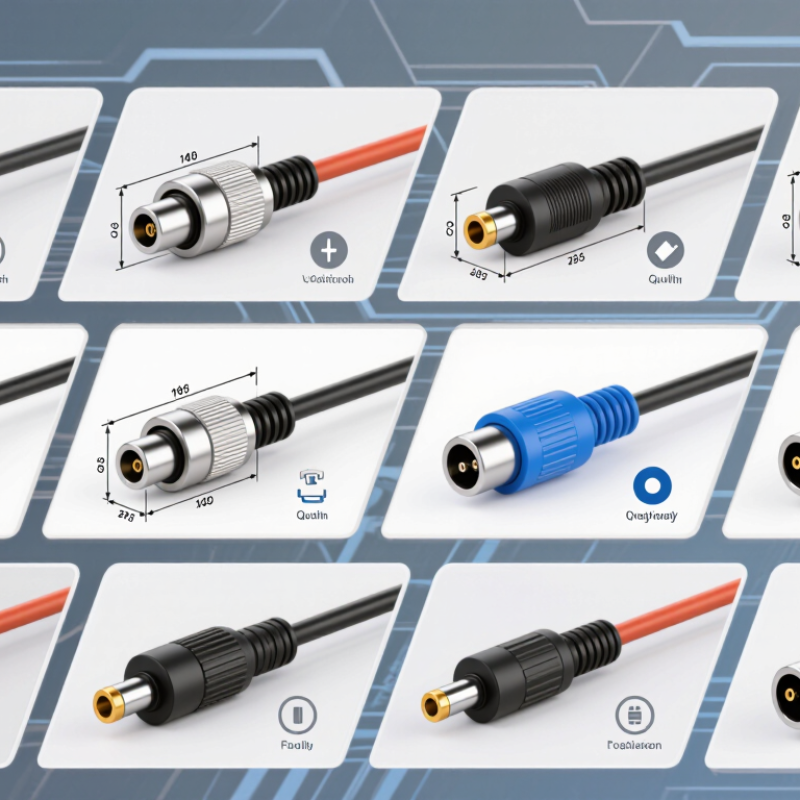
Cable ends are the fitted components at a cable’s termination point. They may include terminals, ferrules, lugs, seals, or protective caps. These parts connect cables to equipment, panels, batteries, and distribution systems. A secure cable end reduces loose connections, heat buildup, corrosion, and accidental conductor damage.
Global buyers need them because cable designs vary across markets and applications. Automotive harnesses, industrial machinery, solar systems, and control cabinets require different sizes and materials. Copper, aluminum, insulation type, crimp style, and temperature rating all affect performance. A poorly matched cable end may pass an initial inspection but fail under vibration or moisture. That risk becomes expensive when replacement parts must cross borders.
In practice, a catalog description may still leave important questions. Specifications can look complete, yet field results may disagree. Buyers should check production capacity, inspection records, sample quality, packaging, and delivery consistency before placing larger orders.
Tips: Confirm the conductor range and compatible crimping method. Request samples before bulk purchasing. Check plating thickness, pull-out strength, and corrosion resistance. Ask for test reports and clear dimensional drawings. Dimensions are not enough. Also review export packaging, labeling, and replacement support. The cheapest quote may not be the lowest total cost. A small sample test can reveal fit problems early.
Top 10 Cable Ends Suppliers for Global Buyers
Key Criteria for Evaluating Cable Ends Suppliers
A reliable supplier should prove more than a low quotation. The IEA’s Electricity 2024 report projects global electricity demand to grow by about 3.4% annually through 2026. This growth increases pressure on cable termination quality, delivery speed, and field reliability. Buyers should request test reports covering tensile strength, electrical resistance, thermal cycling, and corrosion performance.
Standards matter. Suppliers should demonstrate compliance with relevant IEC requirements, including IEC 61238-1 for compression and mechanical connectors. ISO 9001 certification can support process consistency, but it does not guarantee every batch is perfect. Ask for lot numbers, raw-material certificates, inspection records, and sample retention policies. Traceability should reach the production line.
Material selection requires practical review. Copper or aluminum ends must match conductor type, plating, temperature rating, and installation environment. A supplier serving coastal projects should explain salt-spray testing, not simply mention “corrosion resistant.” Check tooling compatibility, dimensional tolerances, minimum order quantities, and replacement availability. Lead time deserves evidence; request recent delivery performance rather than a promise.
Independent laboratory testing adds confidence. Still, paperwork can hide gaps. I would inspect samples, repeat critical measurements, and speak with installers who have used the products. A polished catalog is useful, but field feedback often reveals loose crimping, damaged plating, or unclear instructions. Pricing should be assessed alongside failure risk, warranty terms, technical support, and documented corrective actions.
Suggested weighting for a 100-point buyer scorecard. Prioritize compliance and traceability, then verify performance against the intended cable, application, and operating conditions. These weights are an illustrative evaluation framework, not results from an industry survey.
Choosing the top 10 cable ends suppliers by product scope and market reach means looking beyond catalog size. Compare cable lugs, glands, end caps, connectors, and low- and high-voltage termination kits. Check material options, size ranges, test documentation, and technical support. A supplier serving several regions may offer easier access, but broad coverage does not guarantee local stock.
Demand provides useful context. IRENA’s Renewable Capacity Statistics 2024 reports 473 GW of renewable capacity added worldwide in 2023. The IEA’s Electricity 2024 report projects average global electricity demand growth of 3.4% annually from 2024 to 2026. These trends increase the value of suppliers that can support varied project types and dependable replenishment. Still, published market reach can overstate real availability; verify delivery times and regional service directly. Details matter.
Tips: Request a sample, dimensional drawings, and traceable test records. Ask for a quote covering the exact conductor size, environment, and installation method. A wide range looks useful, but compatibility needs checking.
This company-neutral comparison covers ten supplier profiles by product specialization. It is not a verified ranking of named businesses: product availability, geographic coverage, certifications, and standards compliance vary by manufacturer and market. Confirm current technical documentation and local approvals before purchasing.
| Supplier profile | Typical product scope | Common applications | Relevant standards or references | Typical market reach | Buyer checks |
|---|---|---|---|---|---|
| 1. Compression cable-lug specialist | Copper and aluminium compression lugs, tubular terminals, and connection accessories. | Low- and medium-voltage power cables in panels, switchgear, substations, and industrial installations. | IEC 61238-1 for compression and mechanical connectors; DIN 46235 is a reference for certain compression cable lugs. | Products are commonly sold through electrical wholesalers and project distributors; export coverage depends on the supplier’s approvals and channel network. | Conductor material and class, barrel dimensions, die index, conductor range, and applicable test reports. |
| 2. Mechanical connector specialist | Bolt-type cable lugs, shear-bolt connectors, and connectors designed for selected conductor sizes and materials. | Field installation, repairs, and power distribution where specified tooling or crimping equipment may be impractical. | IEC 61238-1 includes requirements and test methods for covered mechanical connectors; verify the product’s stated scope. | Often supplied through utility, infrastructure, and electrical distribution channels; availability is market- and approval-dependent. | Conductor compatibility, bolt torque or shear design, installation instructions, and suitability for the cable class. |
| 3. Heat-shrink termination supplier | Heat-shrink termination kits, breakout boots, insulating tubing, and related cable accessories. | Indoor or outdoor termination of power cables, subject to the kit’s voltage rating and cable construction. | IEC 60502-4 covers test requirements for accessories for cables with extruded insulation within its stated voltage range. | May serve domestic and export projects through distributors; project acceptance can depend on utility or national specifications. | Rated voltage, indoor or outdoor use, cable insulation type, conductor size, screen design, and kit contents. |
| 4. Cold-shrink termination supplier | Pre-expanded cold-shrink termination and joint components supplied with installation accessories. | Power cable installations where a heat source is undesirable or where the specified installation method uses cold-shrink components. | IEC 60502-4 is a relevant accessory test reference when the product and voltage scope fall within its coverage. | Typically sold through specialist electrical distributors and project channels; regional stocking and training vary. | Compatibility with cable dimensions, insulation and screen system, storage conditions, and installation procedure. |
| 5. Separable connector supplier | Separable screened connectors and interfaces for compatible medium-voltage cable and equipment systems. | Connections to switchgear, transformers, and other equipment designed for matching interfaces. | IEC 60502-4 and applicable equipment-interface specifications may be relevant; confirm the exact interface and product rating. | Usually project-led and specification-sensitive, with access through specialist distributors or equipment channels. | Interface type, voltage and current ratings, cable dimensions, screen continuity, and equipment compatibility. |
| 6. Cable-gland and entry-accessory supplier | Cable glands, sealing accessories, locknuts, and related cable-entry components for specified cable types. | Enclosures, control panels, machinery, and installations requiring cable retention or environmental sealing. | IEC 62444 specifies requirements for cable glands; hazardous-area applications require the relevant additional approvals. | Commonly available through industrial electrical distributors; global use depends on product approvals and local requirements. | Cable diameter, thread form, enclosure material, ingress-protection requirements, and hazardous-area certification where applicable. |
| 7. Wire-end ferrule and terminal supplier | Insulated and uninsulated wire-end ferrules, pin terminals, and installation tools or accessories. | Fine-stranded conductors terminated in compatible screw-clamp or spring-clamp terminals. | IEC 60999-1 provides safety requirements for screw-type and screwless-type clamping units within its scope; check terminal compatibility. | Widely distributed through panel-building and industrial electrical supply channels, with ranges varying by market. | Wire cross-section, ferrule length, insulation collar, terminal approval, and whether the specified tool is required. |
| 8. Bimetallic connector supplier | Aluminium-to-copper lugs and connectors, including products using a transition interface. | Connections between aluminium conductors and copper terminals or busbars where the design permits the material transition. | IEC 61238-1 may apply to covered connector types; confirm the product’s tested materials and installation conditions. | Commonly specified in power distribution and infrastructure procurement; supply reach depends on approvals and project specifications. | Conductor material, transition construction, oxide-control instructions, corrosion conditions, and compatible terminal material. |
| 9. Overhead-line dead-end and termination supplier | Dead-end clamps, strain terminations, and associated fittings for specified overhead conductors. | Overhead distribution or transmission lines, subject to conductor design, loading, and utility requirements. | Applicable standards and utility specifications depend on conductor type, line design, and jurisdiction. | Often procured through utility and infrastructure projects; qualification is commonly project- or utility-specific. | Conductor construction and diameter, rated mechanical load, corrosion protection, and utility-approved test evidence. |
| 10. Custom cable-assembly and termination supplier | Made-to-order cable assemblies with specified lugs, terminals, glands, or termination components. | Industrial machinery, transport, control systems, and projects requiring defined cable lengths or end configurations. | Requirements depend on the complete assembly and end use; component standards alone do not establish assembly compliance. | Can support local or export orders where logistics and customer qualification permit; reach varies considerably by supplier. | Drawings, conductor and insulation specifications, traceability, inspection records, lead time, and destination-market requirements. |
A dependable comparison starts with the exact drawing, terminal material, wire range, and operating environment. Inspect sample crimps for consistent barrel deformation, clean plating, and secure insulation support. Ask for pull-out test results, dimensional checks, and lot-level traceability. For crimped connections, confirm whether testing follows applicable requirements such as IEC 60352-2. Small details matter. A polished sample alone proves little.
Compare landed cost, not just the unit price. Include tooling charges, minimum order quantities, packaging, freight, and expected scrap. Ask suppliers to explain material substitutions and price-validity periods in writing. I still find low quotes tempting; they can hide unclear specifications or costly rework. Check compliance documents against the destination market and the actual product configuration. Request relevant material declarations and test records, then verify dates and model numbers.
Delivery promises need evidence. The World Bank’s 2023 Logistics Performance Index assessed 139 economies across six dimensions, including tracking and timeliness; apply similar measures to supplier performance. Request recent on-time delivery rates, lead times by order size, and written escalation plans. UNCTAD’s Review of Maritime Transport 2024 reported that global maritime trade grew 2.4% in 2023, underscoring how changing shipping conditions can affect schedules. Ask how suppliers handle delays, split shipments, and urgent replacements. A tidy spreadsheet helps, but I would not mistake it for verified performance.
When comparing ten cable ends suppliers, begin with the cable’s actual working conditions, not price. Record conductor size, insulation diameter, current, voltage, vibration, moisture, and installation space. A supplier should explain whether its terminals suit copper, aluminum, flexible, or shielded conductors. Ask for technical drawings, tolerances, surface treatment details, and recommended crimping tools. Request samples before ordering.
Review material specifications and quality controls carefully. Look for copper grade, plating thickness, insulation temperature rating, and corrosion resistance. Test the fit yourself. Ask for crimp-force data, pull-out results, salt-spray exposure, and thermal-cycle performance. Reliable suppliers can provide batch numbers, inspection records, and traceable test reports. Check tooling compatibility with your existing equipment. For custom cable ends, confirm mold ownership, sample approval, and change-control procedures. A factory video is useful, but an audit or independent inspection gives stronger evidence. Documents may look complete while production control remains unclear.
Evaluate delivery reliability, communication, and after-sales support. Request realistic lead times, minimum order quantities, packaging details, and emergency production options. Clarify the replacement process for damaged or inconsistent parts. Speak with recent customers about delivery accuracy and technical responses. Compare total landed cost, including tooling, testing, freight, and rejected parts. A cheap terminal can become expensive after installation delays. Use a small pilot order before approving regular purchases. Keep records. In practical sourcing, I have learned that a supplier admitting one limitation may be more trustworthy than polished sales language.