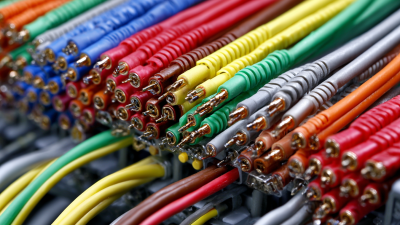
10 Tips for Buying Electrical Wire in Bulk

Buying electrical wire in bulk can lower unit costs, but only when the order matches the job. A pallet of unsuitable cable is not a bargain. Before requesting quotes, define the installation, conductor material, wire gauge, insulation type, voltage rating, temperature rating, and expected environment. These details shape performance and compatibility. They also help prevent costly substitutions after delivery.

Bulk purchasing adds practical questions that small orders can hide. Confirm spool lengths, packaging, lead times, minimum quantities, and how the supplier handles damaged or short shipments. Ask for current product data and traceable documentation, then compare the quoted price with freight, storage, and likely waste. A sample coil can reveal stiffness, marking clarity, and handling quality. Small details matter. For projects with several wire sizes, check that each line item matches the drawings and the electrician’s specifications. Keep wire dry, protected from crushing, and clearly labeled once it arrives. It sounds obvious, yet busy sites get messy.

This guide presents ten grounded checks for evaluating suppliers and building a bulk order with fewer surprises. It is not a substitute for project specifications or qualified electrical review. Requirements vary by application and location, so verify the appropriate standards before purchase. Even careful buyers sometimes miscalculate spare lengths. That is worth admitting. A measured takeoff, a sensible allowance, and a final review can help balance shortages against costly leftovers. The right electrical wire is not simply the lowest-priced reel; it is the material that meets the specification, arrives intact, and suits the work.
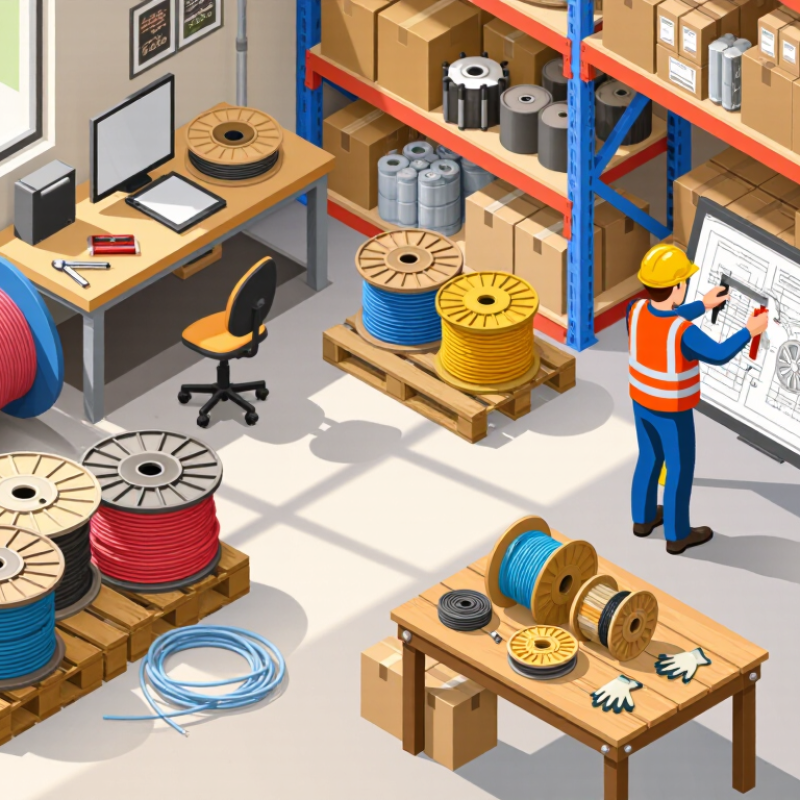
10 Tips for Buying Electrical Wire in Bulk

Define Project Requirements and Choose the Correct Wire Type

Before buying electrical wire in bulk, define the job clearly. List each circuit’s purpose, expected load, run length, and installation location. A long run may need a different conductor size to manage voltage drop. Damp areas, outdoor routes, and enclosed spaces can also call for specific insulation ratings. Small details matter. Check the project plans and applicable electrical requirements, and ask a qualified electrician to verify uncertain specifications.

Tips: Record the required wire type, conductor material, gauge, insulation, and total length for each circuit. Add a measured allowance for bends and connections, rather than guessing from room dimensions. Keep the list beside your spool quote. It is easy to overlook a short branch run.

Choose wire suited to the actual conditions, not simply the lowest bulk price. Copper and aluminum have different properties and connection requirements; they are not automatic substitutes. Confirm that the selected gauge and insulation match the circuit design. Measure twice. A first quantity estimate may still be off, especially when routes change during installation. Review it against the latest drawings before ordering, and store unused wire dry, protected, and clearly labeled.

Check Wire Gauge, Material, Insulation, and Safety Ratings

Buying electrical wire in bulk starts with the load, run length, and installation conditions—not the spool price. Choose the American Wire Gauge (AWG) from a code-compliant ampacity calculation; a smaller gauge number means a thicker conductor. Long runs can increase voltage drop, so the same load may need a larger conductor. The National Electrical Code’s ampacity tables also depend on factors such as insulation temperature rating, ambient heat, and bundled conductors. Easy to overlook.

Check conductor material before comparing costs. Copper Development Association conductor data places aluminum at about 61% of copper’s conductivity on the International Annealed Copper Standard (IACS) scale. That difference affects sizing and termination requirements; do not substitute one material for another by matching gauge alone. For bulk orders, inspect the reel labels, gauge markings, conductor type, and stated length. A mixed or unclear lot can complicate installation.

Insulation must suit the location: wet or dry, exposed to sunlight, or enclosed in conduit. Verify the wire’s temperature and voltage ratings, plus its applicable safety listing; UL 83 covers many thermoplastic-insulated building wires. Then check that the rating works with the equipment terminals and local code requirements. A label can look complete while missing a key condition. I would verify one sample reel before ordering the full quantity.

Calculate Bulk Quantities and Allow for Cutting Waste

Bulk wire estimates should start with a route-by-route measurement, not the room’s floor area. Measure each run from its source to its endpoint, including vertical drops, turns, and planned detours. Add the lengths for each wire size and type separately; different circuits may require different specifications. Check the project plans and confirm wire requirements with a qualified electrician before ordering.

Then account for cutting waste. A straight, repetitive layout may need only a modest allowance, while a renovation with obstacles and many short runs can create more offcuts. For a simple plan, some buyers add about 5 to 10 percent, then adjust that figure to match the layout and cutting schedule. Small cuts add up. Measure twice. If the supplier sells fixed spool lengths, round up only after estimating usable leftovers from each spool. A leftover piece is not useful if it is too short for another planned run.

Write down each run’s measured length and intended cut before opening the bulk package. Label cut pieces as you go, and keep a record of offcuts that are long enough to reuse. I would still review the estimate before ordering; a neat spreadsheet can miss a real obstacle behind a wall. That small check may prevent both a rushed second order and a pile of unusable scraps.

Compare Supplier Pricing, Certifications, and Return Policies

When comparing bulk electrical-wire quotes, normalize the details before comparing price per foot. Match conductor metal, gauge, insulation type, temperature rating, spool length, and delivery costs. The USGS Mineral Commodity Summaries 2025 reports an average COMEX copper price of $4.22 per pound in 2024, up from $3.85 in 2023. That benchmark is not a finished-wire price, but it shows why quote dates and metal-price adjustments matter. Ask suppliers to explain surcharges and how long a quote remains valid. Small details matter. A cheaper reel may contain less usable wire or arrive in lengths that create extra splices.

Check certification against the exact wire type and intended use, rather than relying on a general “certified” claim. For products sold in the United States, UL Product iQ can help verify listed products and certification details; requirements vary by application and location. Request the listing or certificate number, manufacturer details, and lot identification, then confirm that the markings match the reel and paperwork. Also compare return terms in writing. Ask whether cut-to-length orders are excluded, whether unopened reels incur restocking fees, and who pays return freight. This part is easy to overlook. I would not assume a supplier accepts returns just because the reel looks untouched; confirm the policy before ordering.

Plan Delivery, Inspection, and Proper Wire Storage

Tip 1: Plan delivery before placing a bulk order. Ask for reel dimensions, shipment weight, and unloading requirements. Check that the truck can reach the drop-off point and suitable lifting equipment is available. Keep the route clear. A missed delivery can leave wire exposed or delay work. I once underestimated how much floor space reels need; my estimate looked fine on paper.

Tip 2: Inspect the shipment as soon as it arrives. Compare reel labels, wire size, insulation type, and quantities with your order documents. Look for crushed flanges, loose wrapping, water marks, or cuts in the jacket. Photograph damage before moving the reels, then report it promptly. Do not assume sealed packaging means everything is undamaged. Small defects matter.

Tip 3: Store wire in a dry, shaded area away from chemicals, sharp edges, and vehicle traffic. Keep reels upright only when their design allows it, and secure them against rolling. Follow handling and temperature guidance, and do not exceed stated stacking limits. Cover stock without trapping moisture. Label partial reels with remaining length and opening date. Check them periodically. These details can feel fussy, but damaged wire costs more than a quick inspection.

10 Tips for Buying Electrical Wire in Bulk — Plan Delivery, Inspection, and Proper Wire Storage
# Planning area Recommended action What to verify or record
1 Define the wire specification Prepare a written specification before requesting quotes. Identify conductor material, gauge or cross-sectional area, conductor count, insulation type, voltage rating, temperature rating, and intended application. Compare every quote against the same specification; do not rely on a general description such as “building wire.”
2 Calculate the order quantity Measure the required runs, include planned routing and termination allowances, then add a clearly documented project contingency. Separate required lengths by wire type, size, and color. Use a takeoff by circuit or run, and confirm whether quantities are stated in feet, metres, or reel lengths.
3 Check code and application requirements Have a qualified electrical professional confirm that the selected wire and installation method suit the location and applicable electrical code. Ampacity can depend on installation conditions, conductor size, insulation rating, and other factors. Confirm the required listing or certification, permitted use, and any local inspection requirements before purchase.
4 Confirm availability and lead time Ask for current stock status and an estimated ship or delivery date for each line item. For phased projects, coordinate delivery dates with the installation schedule rather than ordering everything to arrive too early. Get the quantities, expected dates, and any partial-shipment plan in writing.
5 Plan delivery access Check vehicle access, unloading equipment, receiving hours, and the route from the unloading point to the storage area. Arrange suitable handling equipment for heavy reels. Confirm delivery address, contact person, unloading responsibility, and whether a delivery appointment is required.
6 Inspect on arrival Before signing off, compare the shipment with the order and packing documents. Look for crushed or broken reels, damaged packaging, exposed conductor, water intrusion, and visible insulation damage. Record reel identifiers, wire markings, quantities, and any damage; photograph issues and note them on the delivery record.
7 Verify labels and documentation Check that reel labels and product markings match the ordered conductor size, material, insulation, voltage rating, and length. Keep certificates or compliance documents supplied with the order. Quarantine mismatched or unclear items until the discrepancy is resolved; do not mix unverified wire into project stock.
8 Store wire in a dry, protected area Keep wire indoors where practical, away from standing water, chemicals, sharp edges, and direct sources of heat. Protect reels from weather and follow the product maker’s storage instructions. Keep packaging intact when possible and inspect stored reels periodically for moisture, damage, or contamination.
9 Handle reels safely Use equipment suited to the reel’s size and weight. Secure reels during transport, avoid dropping or dragging them, and prevent contact with objects that could cut or crush the insulation. Follow the reel’s handling markings and site lifting procedures; keep reel flanges and cable ends protected.
10 Track inventory and usage Label each reel with its specification, received length, receipt date, and project or storage location. Issue wire by reel and record remaining lengths to reduce duplicate orders and avoid unsuitable substitutions. Use a simple inventory log and apply first-in, first-out rotation where practical.