How to Choose the Right Wire Connector in 2026?
Choosing the right wire connector in 2026 requires more than matching wire size. The connector must suit the entire electrical environment. Consider conductor material, current load, voltage, temperature, moisture, vibration, and installation space. A connector that fits physically may still fail electrically.
In field installations, small details often decide long-term reliability. A loose terminal can create heat, discolor insulation, and damage nearby equipment. I have seen connectors pass an initial inspection, then loosen after repeated vibration. That experience makes installation quality as important as product selection. Check the manufacturer’s datasheet, applicable UL or IEC requirements, and local electrical codes before purchasing. Do not trust appearance alone.
Modern projects may also require compact designs, flame-resistant materials, corrosion protection, or traceable production records. Automotive systems, solar equipment, control cabinets, and household wiring need different connector characteristics. The best wire connector balances secure contact, easy installation, maintenance access, and verified performance. Cheap components can become expensive after troubleshooting begins.
There is no universal choice.
This guide examines connector types, ratings, materials, locking methods, and practical testing steps. It also questions common assumptions, including the belief that tighter always means safer. In some applications, excessive force can damage strands or deform the contact. Careful selection remains necessary, even when the connector looks simple. Reliability comes from matching evidence with actual conditions, not from choosing the most familiar product.
Wire Connector Basics and Their Main Types
Wire Connector Basics and Their Main Types
Choosing a wire connector starts with understanding the connection, not its appearance. Twist-on connectors secure stripped wires with an internal spring. Push-in connectors allow faster installation, but they require the correct wire size and solid contact. Lever connectors can accept different conductor types and simplify inspection. Crimp connectors use pressure to join a terminal firmly to a wire. Terminal blocks suit organized panels and repeated maintenance.
A connector must match the wire gauge, conductor material, current load, insulation, and installation environment. Moisture, vibration, heat, and limited space can change the best choice. Always disconnect power before working, then check the manufacturer’s specifications and applicable electrical requirements.
A connector that feels tight is not automatically safe. I once underestimated vibration in a small machine cabinet; the connection looked perfect, but movement slowly weakened it. That mistake changed how I inspect installations.
Tips: Strip only the recommended length. Keep copper clean and undamaged. For crimp connectors, use the correct crimping tool, not ordinary pliers. Gently pull each wire after assembly. Do not mix connector types without confirming compatibility.
If the wire fit feels uncertain, stop and reassess. A few extra minutes can prevent heat, arcing, or a failed circuit. Yet specifications are not always easy to interpret, so a qualified electrician should review unfamiliar or high-load installations.
Identify the Electrical and Environmental Requirements
Choosing the right wire connector in 2026 starts with the circuit, not the connector’s appearance. Identify the conductor material, wire gauge, operating voltage, continuous current, and expected temperature. A connector rated for occasional loads may fail under steady heating. Leave room for inrush current, especially in motors, lighting systems, and control equipment. The connection method also matters. Crimp, screw, and spring connections need different installation tools and inspection methods.
The environment can change the decision completely. Indoor control cabinets may need protection from dust and condensation. Outdoor wiring may face rain, ultraviolet exposure, freezing temperatures, or direct sunlight. In industrial spaces, oil, vibration, and cleaning chemicals can weaken housing materials and seals. Check the connector’s temperature range, ingress protection, strain relief, and resistance to corrosion. A tight fit is not enough.
Test the completed connection under realistic conditions. Pull gently on each wire, inspect the conductor, and confirm that no copper strands are trapped outside the terminal. Measure voltage drop when the circuit is operating. Small details matter. I have seen a connector pass a visual inspection but heat noticeably after an hour of load. That result would challenge the original selection. Recheck the application’s electrical calculations, installation space, and applicable safety requirements before approval. When requirements are uncertain, document the assumptions instead of hiding them.
Match Connector Materials, Sizes, and Terminals
Choosing the right wire connector starts with the environment, not the package label.
Copper contacts usually provide dependable conductivity, while plated surfaces can resist moisture and oxidation. For outdoor equipment, inspect sealing features and temperature ratings. A connector that works on a dry workbench may fail inside a hot engine compartment.
I once selected a compact connector for a vibration-prone cabinet and underestimated strain on the cable. The connection held electrically, but the housing loosened over time. That mistake changed how I check mechanical support.
Match connector size to the conductor and the expected current.
A terminal that is too small can overheat or damage the wire strands. One too large may crimp poorly and pull out under tension. Measure the stripped length carefully.
Keep insulation outside the crimp barrel. Bare copper should not extend beyond the terminal. Small details matter. Check the rated wire range, current capacity, and insulation temperature before installation. If the wire sits near moving parts, add suitable strain relief.
Terminal style also affects reliability.
Ring terminals suit fixed studs, while fork terminals allow faster removal. Butt connectors join two wires, but they need even crimp pressure. For frequent service, choose a design that can be inspected easily.
Use a calibrated crimp tool when possible, then perform a gentle pull test. Do not rely on appearance alone. I still recheck connections after the first vibration or heat cycle, because a neat crimp can hide a weak bite. This extra check is easy to skip. It should not be.
Compare Safety Ratings, Installation Methods, and Durability
How to Choose the Right Wire Connector in 2026?
Compare Safety Ratings, Installation Methods, and Durability
A suitable wire connector must match the circuit, environment, and conductor size. Check its rated voltage, temperature range, wire capacity, and insulation requirements. A connector rated for dry indoor use may fail inside a damp junction box. Look for testing by a recognized safety laboratory, then verify local electrical requirements. Ratings are useful, but they do not replace correct installation.
Installation method affects both speed and reliability. Push-in connectors can save time on prepared solid conductors. Twist-on connectors depend heavily on correct stripping length and firm twisting. Lever-style designs can simplify visual inspection, especially during maintenance. Crimp connectors require the correct terminal and matching crimp tool. Never judge security by appearance alone. A neat connection can still be loose.
Durability matters where vibration, heat, moisture, or repeated servicing exists. Choose materials that resist corrosion and temperature cycling. For outdoor or industrial locations, confirm the enclosure and moisture rating together. Pull each conductor gently after installation, and inspect for exposed copper or damaged insulation. I would recheck the connection after the first heating cycle, even when the instructions seem clear. That extra step may feel excessive. It can reveal movement that a quick inspection misses. Also consider future repairs; a connector that cannot be opened or identified may increase service errors. The most expensive mistake is often choosing convenience without studying the installation conditions.
How to Choose the Right Wire Connector in 2026?
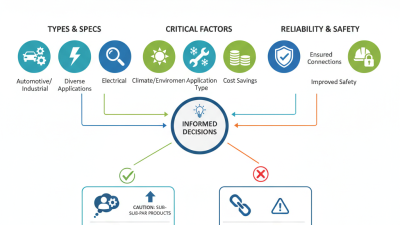
Compare common connector families by safety, installation method, and expected durability. Scores are comparative benchmarks based on factors such as strain relief, resistance to loosening, environmental sealing, vibration tolerance, and installation complexity.
Use sealed crimp connectors for moisture and vibration exposure, spring or lever connectors for fast indoor installation, and screw terminals where adjustable clamping and serviceability are priorities. Always verify the connector’s current rating, conductor range, temperature rating, and applicable IEC or UL requirements for the final application.
Verify Compatibility, Quality, and Long-Term Performance
How to Choose the Right Wire Connector in 2026?
Compatibility is the first test. Match the connector with conductor material, wire gauge, strand type, voltage, and current. Check the housing temperature rating too. A connector rated for dry indoor use may fail inside a damp junction box. IEC 60999 and applicable safety standards provide useful requirements for clamping, heating, and mechanical security. However, a compliance mark is not a substitute for checking the actual installation.
Quality becomes visible during preparation and testing. Look for clear size markings, secure insulation support, and reliable contact pressure. For crimp connectors, confirm the correct tool and inspect the crimp profile. A loose crimp can pass a quick continuity test. It may still heat under load. The Electrical Safety Foundation International estimates that electrical failures cause about 51,000 U.S. home fires annually, with roughly 500 deaths and 1,400 injuries. Poor connections are not the only cause, but they deserve serious attention.
Long-term performance depends on the environment. Consider vibration, moisture, corrosion, thermal cycling, and repeated maintenance. Select connectors tested for those conditions, not merely for initial electrical contact. In field work, I have seen a connector look perfect while copper strands were only partly captured. That mistake is easy to miss. It also weakens the joint over time. Record the connector type, wire size, installation torque, and inspection result. Small records improve reliability, even when the process feels slower.